On the 1st of September, a date symbolically known for the start of the school year in Belgium, I boarded a plane at Brussels Zaventem Airport to begin my own academic adventure: my exchange in Faro. This exchange is part of my thesis in collaboration with the University of the Algarve, conducted in the BEE (Biogeographical Ecology and Evolution) lab. After a very warm welcome from Neusa Martins and her team, we got acquainted and prepared for six weeks of studying the effects of probiotic treatments on the brown algae Laminaria ochroleuca.
Lab Work
The main objective of my thesis is to inoculate kelp strains with specific bacteria to closely monitor their growth and reproduction. This is a small yet significant step in the RESTORESeas project, which aims to restore kelp forests. In the long run, we hope to identify the optimal bacterial mix that can act as a probiotic to enhance the survival and success of restored kelp populations.
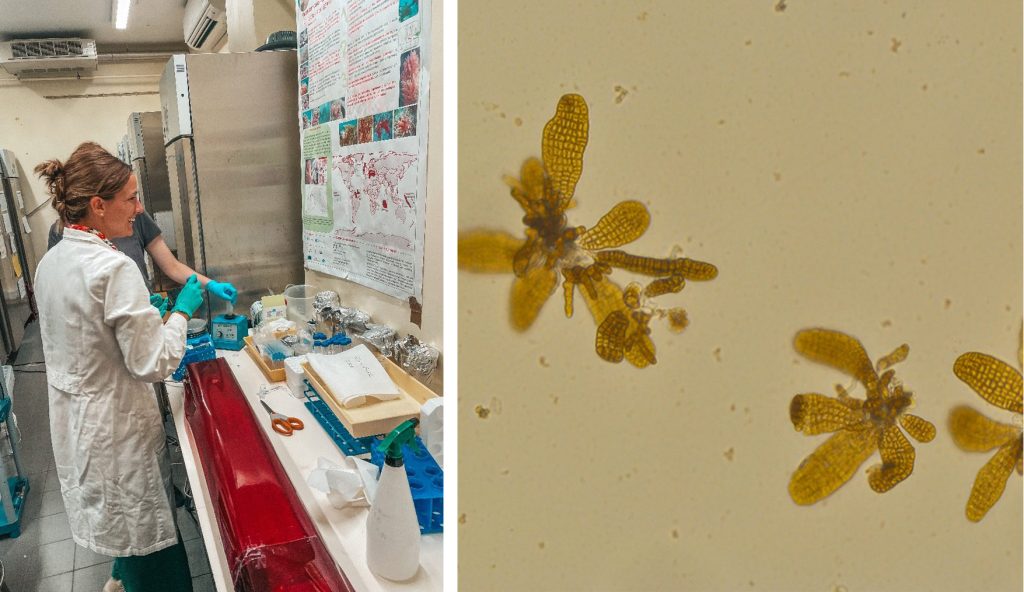
But first, we need to determine which bacteria perform best by testing their individual effects on the kelp species. For this reason – after prior isolation experiments – four bacteria were selected and cultivated (Cobetia sp., Kocuria sp., Zobelia sp., and Tritonibacter sp.). Each of these four bacteria was added separately to gametophytes from three different kelp populations: one from France and two from Italy. A gametophyte is the sexual phase in the life cycle of plants and algae, when gametes (sperm and egg cells) are produced; it’s especially fascinating because in some plants like mosses, the gametophyte is actually the dominant and visible generation. Each population received four distinct treatments, one for each bacterium and each strain had a control group (no bacteria treatment). Every 7 days the growth and reproduction was monitored by counting the reproductive structures and calculating the total recruitment at day 28.
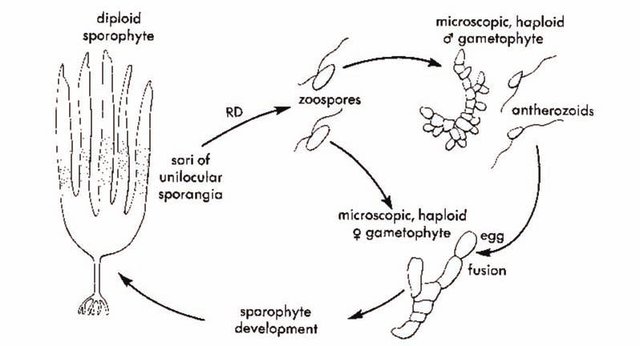
Source: Harrison, P. J., Petrell, R., & Black, E. (2008). Risk analysis of the decline of laminariales due to fish farming waste.
Some preliminary results of my thesis already demonstrate that a few of these bacteria can boost kelp fertilisation in the lab! After the experiment, the kelp samples were put on RNAlater and taken back home for microbiome analysis.
Other experiments will be conducted in the lab of phycology of Olivier de Clerck in Ghent under the supervision of Sofie Peeters to understand these effects of the bacteria treatments.
Time spent outside the lab
Beyond the expertise and guidance of Neusa, several aspects made this lab work unique. Lunch breaks were spent outdoors, and coffee breaks were often accompanied by pastéis de nata—which quickly became my go-to order. That may have been due to my limited Portuguese vocabulary, but who would complain?
When lab work was done—and time was on our side—we often ended the day at Faro Beach. To stretch our legs, we’d go for a run around the Ria Formosa Natural Park, a stunning lagoon system that serves as a haven for migratory birds.
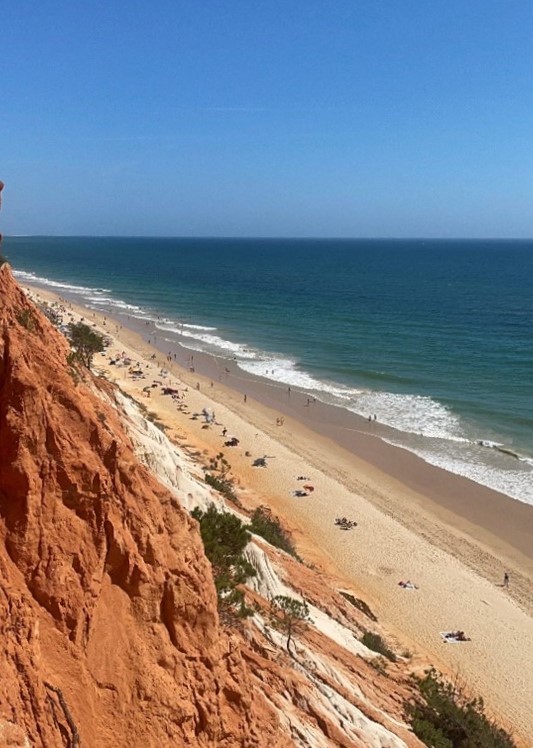
Afterward, we enjoyed the scenic drive back to the old farmhouse where we stayed near Loulé. Hidden away in the hills of Monte Seco, this farmhouse set the scene for the most beautiful, peaceful coffee mornings. Although research kept us busy, we made time on weekends to explore the breathtaking beaches of the Algarve. Two of my favourites were Lagos and Falésia!
3 fun facts I learned about Faro
- Ria Formosa’s hidden treasure – The Ria Formosa lagoon is home to one of the largest seahorse populations in the world! Unfortunately, their numbers have declined due to habitat loss.
- Ancient walls – Faro’s old city is still surrounded by medieval walls, some dating back to Moorish rule in the 9th century.
- A bone chapel – The Igreja do Carmo church houses the Capela dos Ossos, a small chapel decorated with the bones of over 1,200 monks—a unique and eerie historical landmark.
Faro may be small, but its unique blend of history, nature, and local charm makes it truly unforgettable. And of course, no visit to Portugal is complete without indulging in pastel de nata and coffee! If you haven’t treated yourself to this at least once a week, can you really say you’ve been to Portugal?
Written by Axelle Defossez, UGENT